

Commercial Solar for Willamette Valley Businesses
Solar Panels
Battery Storage
The Benefits of Commercial Solar
The value of commercial solar depends on the property and the organization, but potential benefits may include:
- Lower long-term electricity costs
- More predictable operating expenses
- Reduced dependence on utility rate increases
- On-site generation of clean energy
- Backup options through battery storage
- Available tax incentives or financing options
- Progress toward company renewable energy goals
- A visible investment in the local community and the future of the property
Solar is still an investment, and it should be treated like one. We will walk through expected production, costs, incentives, and long-term savings so you can compare the project against continuing to purchase all of your electricity from the utility.
Licensed, Bonded, and Oregon-Owned
IronHead Solar is a veteran-owned Oregon company. We are licensed, bonded, and insured under Oregon CCB #257018. We bring a roofing-informed, education-first approach to every commercial solar project. Commercial and off-grid installations begin with a direct, hands-on consultation so the people involved can understand the building, the goals, and the work required before moving forward. You will receive clear communication from the first review through design, installation, inspection, and system startup. And if commercial solar is not the right investment for your property at this time, you will hear that from us too.
Roofing Experience Matters
We came into solar through roofing, so we know how to evaluate the structure underneath the system and catch concerns before installation begins.
Education Before Sales
Solar is not right for every property. We explain the numbers, the tradeoffs, and whether moving forward actually makes sense, without pressure or inflated promises.
Built for Long-Term Performance
We use premium equipment, thoughtful design, and high installation standards to build systems that perform for years, not just look good on day one.
Local and Accountable
We understand Oregon conditions, permitting, and utility requirements, and we stay available after the project is complete.
What Goes Into a Commercial Solar Project?
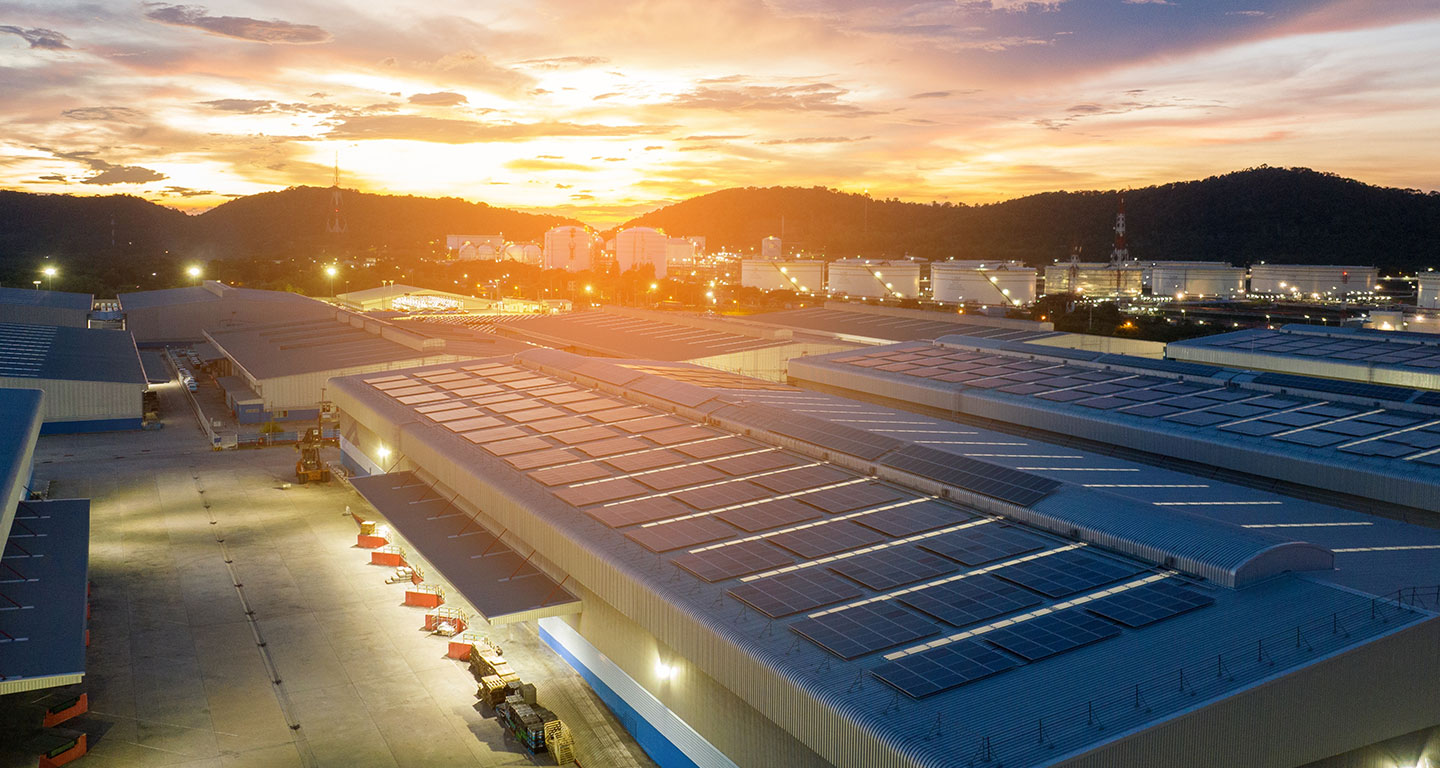
A commercial solar project is not a stock package pulled from a catalog. Every building uses energy differently, and every site comes with its own structural, electrical, and operational considerations.Before recommending a system, we look at the complete picture.
Start With the Building and Its Energy Use
The first step is a free commercial solar estimate. We review your property, the condition and layout of the building, your recent utility bills, and what you want the system to accomplish. For many companies, the goal is lowering long-term energy costs. Others may be interested in predictable operating expenses, renewable energy, battery backup, or making their building less dependent on the grid.
We use actual electricity data to determine whether solar is a realistic fit. That includes how much energy the building consumes, when that usage occurs, and whether your daytime load lines up with solar production.
Solar Panels Sized Around Your Actual Usage
The main part of most commercial systems is an array of solar panels sized around the property’s electrical load. We do not start with a generic number of panels or a rule of thumb based only on square footage. A small industrial facility running equipment throughout the day may use more energy than a much larger warehouse with limited activity. Your utility history helps us estimate how much solar energy the system could generate and how much electricity your operation could use directly. The design also accounts for:
- Available installation space
- Roof type and condition
- Structural limitations
- Existing rooftop equipment
- Shading and orientation
- Fire access requirements
- Electrical capacity
- Future energy needs
The best solar panel layout is not necessarily the one that covers every available surface. It is the one that supports dependable production and a sensible return over the life of the system.
Battery Storage and Backup Power
Energy storage can be added to some commercial solar systems to hold electricity generated during the day. A battery may help keep selected equipment, lighting, communications, refrigeration, or other essential operations running during a utility outage. It can also change when stored solar energy is used, depending on the building’s needs and utility rate structure. Battery storage is not necessary for every project. It adds cost and affects the overall design, so we discuss it early rather than treating it as an add-on at the end. We will help you understand what a battery can realistically support, how long that backup may last, and whether energy storage creates enough benefit for your property. Learn more about battery storage and backup power.
Roofing and Solar Planned Together
A commercial solar installation may remain in place for decades. The surface underneath it needs to be ready for the same long-term commitment. That is where our roofing background matters. Before the solar system is designed, we evaluate whether the existing roof is in suitable condition for the installation. If it is nearing the end of its service life, it may make more sense to complete the roofing work before the panels are installed. Handling the two projects together can reduce the likelihood of paying to remove and reinstall an array a few years later. It can also keep the project timeline, installation details, and long-term planning better aligned.

How Commercial Solar Works
A commercial solar system works on the same basic principle as a residential system, but it is designed around a larger electrical load and a more complex property. Sunlight reaches each solar panel and generates direct-current electricity. An inverter converts that electricity into alternating current, which is what your lights, equipment, heating and cooling systems, and other building operations use.
Your property uses the solar electricity first. When the panels generate more than the building is consuming, the additional energy may flow back to the utility grid. Depending on the utility and current program rules, your account may receive a credit for that electricity. When the panels are not producing enough to cover the full load, the building draws the remaining electricity from the grid as usual.
Daytime Energy Use Can Be a Major Advantage
Many businesses operate during the same hours that solar panels generate the most electricity. That overlap can be valuable because the energy is used directly as it is produced. Offices, manufacturing facilities, retail buildings, farms, warehouses, and other daytime operations may be able to offset a meaningful portion of their utility usage.
A building that sits mostly empty during the day may have a different financial picture. That does not automatically rule out solar, but it changes how the system should be evaluated.
The Load Profile Matters More Than Building Size
Two buildings with the same square footage can need completely different solar systems. One may run machinery, cooling equipment, computers, and lighting all day. The other may have limited occupancy and very little daytime demand. That is why we review electricity usage instead of estimating the system from the size of the property alone. The goal is to understand how the building actually operates and design around that reality.
Flat and Pitched Buildings Require Different Designs
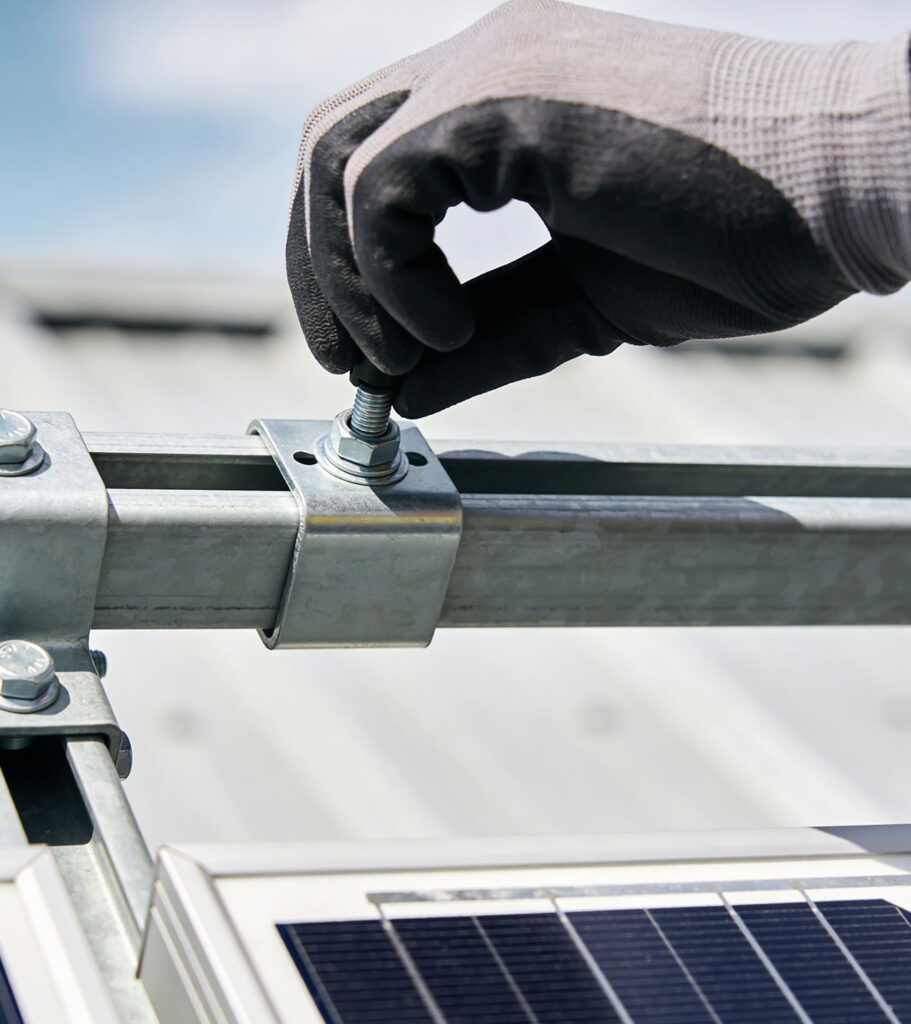
Commercial buildings often have flat or low-slope surfaces, which call for different mounting systems than those commonly used on a home. The layout must account for drainage, structural capacity, wind exposure, rooftop equipment, maintenance access, and required pathways. A pitched surface may use another installation method entirely. Each commercial solar installation is designed around the structure it will sit on, not adapted from a residential template.
Commercial Solar Incentives and Financing in Oregon
Commercial solar projects may qualify for federal tax incentives, depreciation benefits, state programs, utility incentives, or other financial options. The exact value depends on the company, project, ownership structure, installation date, and current rules. These programs can change, which is why we do not rely on a single promotional number or promise that every business will qualify for the same credit.
IronHead Solar is an Energy Trust of Oregon Trade Ally. Energy Trust programs may make incentives available for qualifying Oregon solar installations completed through approved contractors. During your consultation, we can explain which current programs may apply to the project. Your accountant or tax professional should confirm how any federal tax credit, depreciation rule, or other tax benefit applies to your specific organization. Some companies may also consider financing to spread the cost of the installation over time. The right financing structure depends on cash flow, ownership plans, available incentives, and how long you expect to operate from the property. The useful comparison is not simply the cost of this month’s utility bill. It is the estimated cost of electricity over the coming years, compared with the cost of installing a system that offsets part of that usage.
Frequently Asked Questions About Commercial Solar
What is considered commercial solar?
Commercial solar generally refers to a solar energy system installed for a business, farm, nonprofit, industrial operation, office, retail property, warehouse, or other nonresidential organization. These systems are often larger than home solar installations, but size alone does not define them. The system is designed around the organization’s electricity usage, property, operating schedule, and financial goals.
What is the 20% rule for solar?
The phrase “20% rule” is sometimes used when discussing how much of a surface can be covered by solar panels or how much space must remain open for fire access. There is not one universal 20% rule that applies to every commercial building. Actual requirements depend on the layout, local code, rooftop equipment, access pathways, setbacks, and the installation method. Each system must be engineered and installed to meet the building, electrical, and fire code requirements that apply to that property.
What is the best solar system for commercial use?
The best commercial solar system is one designed around the building’s actual electricity usage and long-term needs. That may be a rooftop array, a ground-mounted installation, a solar system with battery storage, or a combination of equipment. The right choice depends on the available space, structural conditions, daytime energy load, budget, and project goals. There is no single panel, inverter, battery, or system size that is best for every company.
How does commercial solar work?
Solar panels generate DC electricity from sunlight. An inverter converts it into AC electricity that the building can use. The property consumes that energy first. Any additional electricity may flow to the grid under the utility’s current billing arrangement. When the solar system is not generating enough electricity, the building draws the balance from the utility. Battery storage can hold some of the generated energy for later use or selected backup needs.
Get a Free Commercial Solar Estimate
The next step is a free, no-pressure consultation. We will review your building or site, recent electricity usage, operating goals, and any interest in battery storage, financing, roofing work, or future expansion. Then we will give you a straightforward assessment of whether commercial solar makes sense for your organization. If it does, we will design a system built for dependable production, lower long-term energy costs, and years of performance. If it does not, we will tell you plainly. Call (541) 395-6433, email info@ironheadsolar.com, or start your free estimate online.