

Our Solar Work in Northwest Oregon
A Solar System Designed Around Your Home
- Your annual energy use and recent electric bills
- The size, slope, orientation, age, and condition of your roof
- Trees, nearby structures, and other sources of shade
- Available space for the solar array
- Your electrical system and utility requirements
- Plans for battery backup, electric vehicles, or increased energy use

Oregon Homes Have Strong Solar Potential
Solar panels can produce meaningful energy in Oregon, including Albany, Corvallis, Salem, Eugene, and communities throughout the Willamette Valley. Solar panels use sunlight rather than heat to produce electricity. They still generate solar power during cloudy and low-light conditions, although energy production is lower than it is during direct sun. The performance of a residential solar system depends more on the specific property than the number of clear days in the forecast.
South-facing roofs with a slope between approximately 15 and 40 degrees often offer strong solar potential, but east- and west-facing roofs can also work well. Roof size, orientation, shade, panel efficiency, and solar array design all affect how much power the system can generate. Corvallis and the surrounding region receive enough sunlight for residential solar to be practical. The real question is not whether solar works in Oregon. It is whether solar works for your home.
How Residential Solar Power Works
Solar panels absorb energy from sunlight and produce direct-current electricity. An inverter converts that electricity into the alternating-current power used by your home. Your home uses the solar energy being generated before pulling additional electricity from the grid. When the solar array produces more energy than the home is using, that excess solar energy may be sent back to the grid, credited through your utility’s current net-metering program, or stored in a compatible battery backup system.
For homeowners served by Pacific Power, qualifying systems may be able to send excess energy back to the grid through net metering. Utility policies can change, so we review the current rules when preparing your solar estimate. It is also important to understand that a standard grid-connected solar system usually shuts down during a power outage. This protects utility workers and electrical equipment. Homeowners who want backup power during an outage will need a properly designed energy storage system.
How Many Solar Panels Does Your Home Need?
The right number of panels is not determined by filling every open section of your roof. We begin with your annual electricity use and work backward from there. The final system size depends on panel wattage, roof space, orientation, shade, seasonal sunlight, utility requirements, and how much of your energy use you want to offset.
Residential installations commonly range from about 6 kW to 15 kW, although every home is different. A starting point for some IronHead projects may be a system around 10 kW with approximately 22 panels. Depending on the property, that solar system may produce roughly 9,500 to 11,000 kWh per year. Those numbers are planning benchmarks, not preset packages. Modern residential panels commonly produce around 400 watts or more. Higher-wattage panels can help generate more energy from limited roof space, but wattage is only one part of the decision. Panel efficiency, degradation, warranty protection, inverter design, roof layout, and real-world performance all matter. We will show you how the proposed solar array was sized, what assumptions were used, and how much power it is expected to produce.

Solar Installation Starts With the Roof
Solar panels may remain on a home for decades. The roof underneath them needs to be ready for the same commitment. IronHead came into solar through roofing, and the same crews and installation standards behind IronHead Roofing shape how we approach every residential solar installation. Before we install solar panels, we evaluate the roof’s age, condition, remaining service life, decking, drainage, flashing, and structural requirements. We also consider where the mounting points will be placed and whether future roofing work could require the system to be removed. Many solar companies focus almost entirely on solar energy production. We understand what the array is attached to. If the roof is ready, we move forward. If it needs work first, we explain why. We would rather give you an honest answer now than install a solar system that has to be removed and reset a few years later.
Replacing Your Roof? Consider Solar at the Same Time
- Align the lifespan of the roof and solar system
- Reduce separate contractor handoffs
- Avoid opening the roof twice
- Lower the risk of future panel removal and reinstallation
- Simplify scheduling, financing, and communication
- Give you one team accountable for the entire project
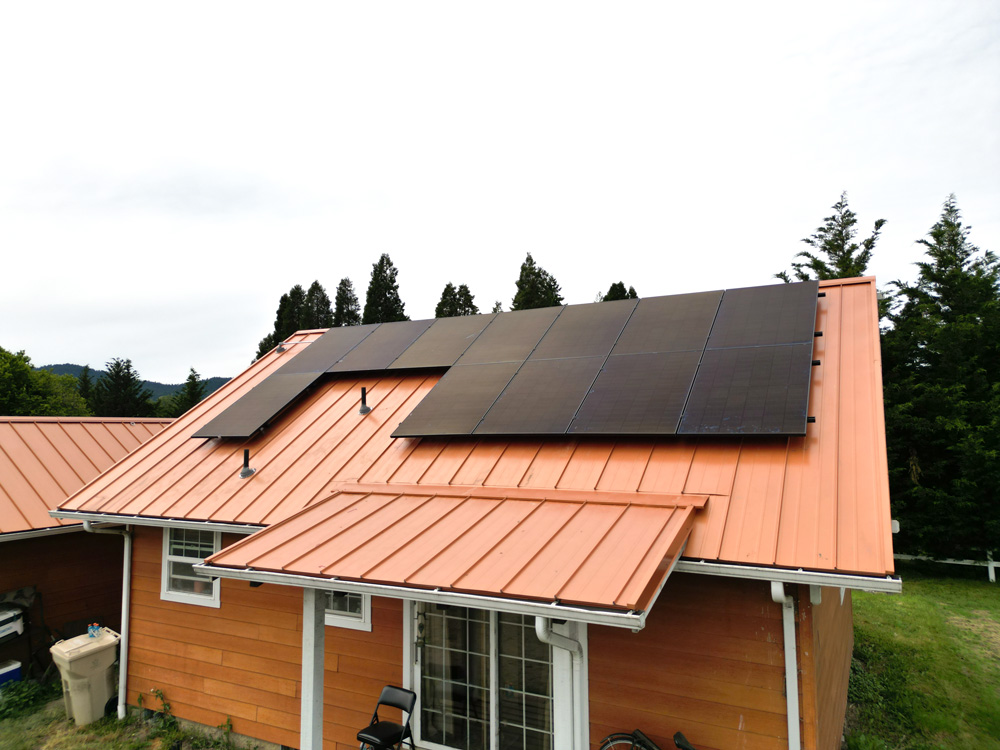

Premium Solar Panels Built for Long-Term Performance
Long-term performance depends on more than panel count or advertised wattage. We evaluate the complete solar system, including the panels, inverter, mounting hardware, electrical components, monitoring, and warranty protection, to make sure every part of the installation is built for dependable energy production.
What Makes a High-Quality Solar Panel?
Most modern residential solar panels use crystalline silicon technology. Monocrystalline panels are commonly selected for homes because they offer higher efficiency and can produce more power where roof space is limited. Polycrystalline panels are made from multiple silicon crystals and are generally less efficient. Many newer panels also use half-cut solar cells. Dividing the cells into smaller sections reduces electrical resistance and can improve efficiency and performance when part of the array is affected by shade.
Efficiency varies by product. Older and lower-cost panels may fall within the 15% to 20% range, while many modern high-efficiency panels exceed 20%. But specifications only tell part of the story. We also consider product quality, manufacturer stability, inverter compatibility, performance in Oregon conditions, and long-term reliability.
Solar panels naturally lose a small amount of production over time, which makes warranty protection important. Many manufacturers provide performance coverage for 25 years, although the guaranteed output and other terms vary by product.
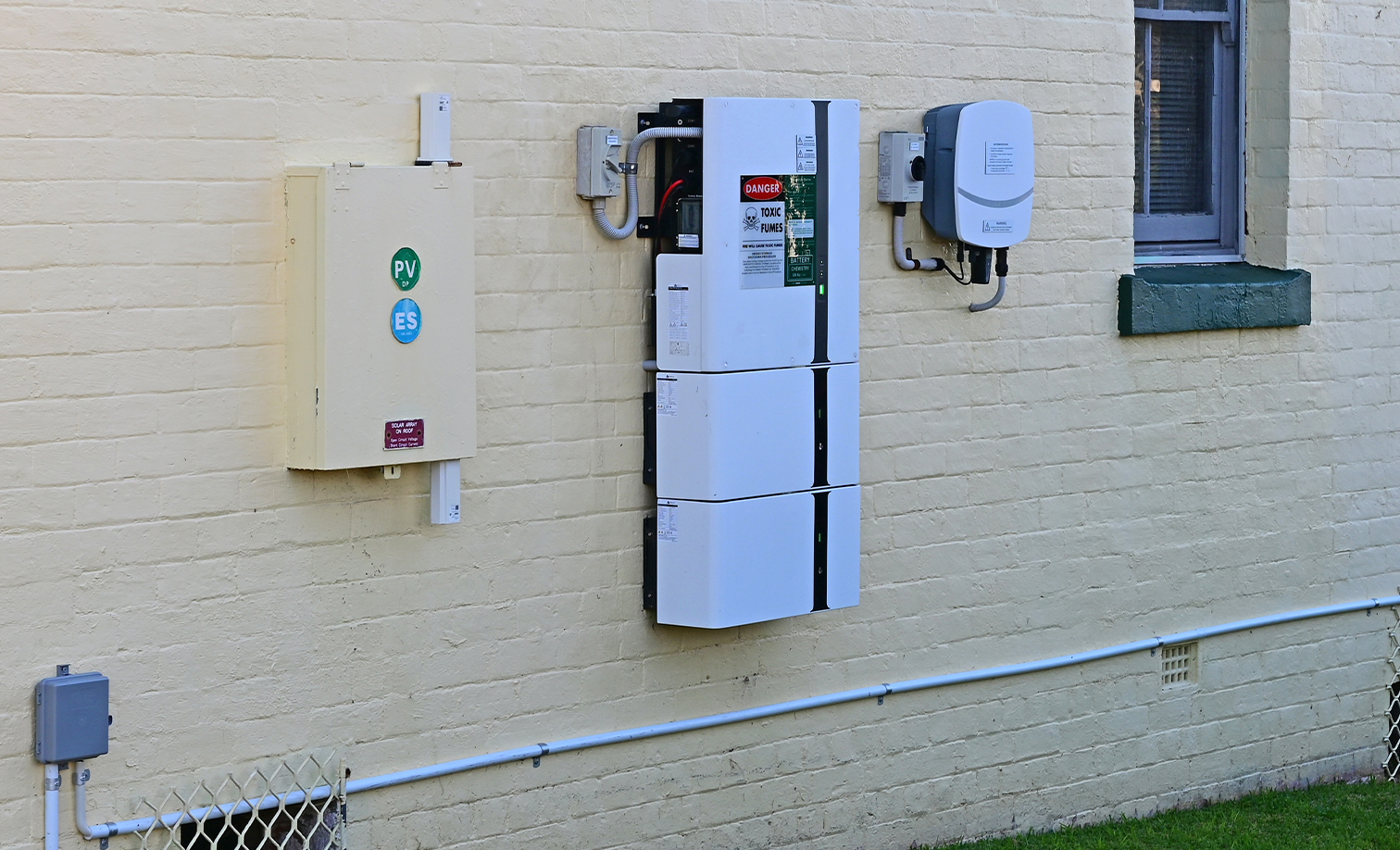
Add Battery Backup for More Control
What Do Residential Solar Panels Cost?
There is no responsible way to calculate your solar panels cost from panel count alone. The equipment is only one part of the complete installation. Solar system size, panel and inverter selection, roof complexity, electrical upgrades, structural requirements, permits, utility interconnection, battery storage, and roofing work can all affect the final cost. Your estimate will be based on your actual roof, electricity use, equipment, and installation requirements. We will explain what is included, what is driving the cost, and what the system is expected to produce.
Solar Incentives Change. We Check Before We Promise.
Solar incentives, financial incentives, tax programs, rebates, and utility offers can all affect the upfront costs of going solar. They can also change quickly. Some federal programs that were widely promoted in previous years are no longer available for new residential systems placed in service after 2025. Oregon solar rebate programs may also open, close, or run out of available funding.
Local incentives and utility programs can depend on your electric provider, income eligibility, system equipment, battery storage, contractor qualifications, and the date of application. IronHead reviews the current programs before including incentives in your estimate. We will not build the financial case for your solar installation around money that may no longer be available. We also recommend discussing tax-related incentives with a qualified tax professional. Solar companies can explain a program, but they should not promise how it will apply to your personal tax situation.